How Financial Statements Tell the Story of a Company
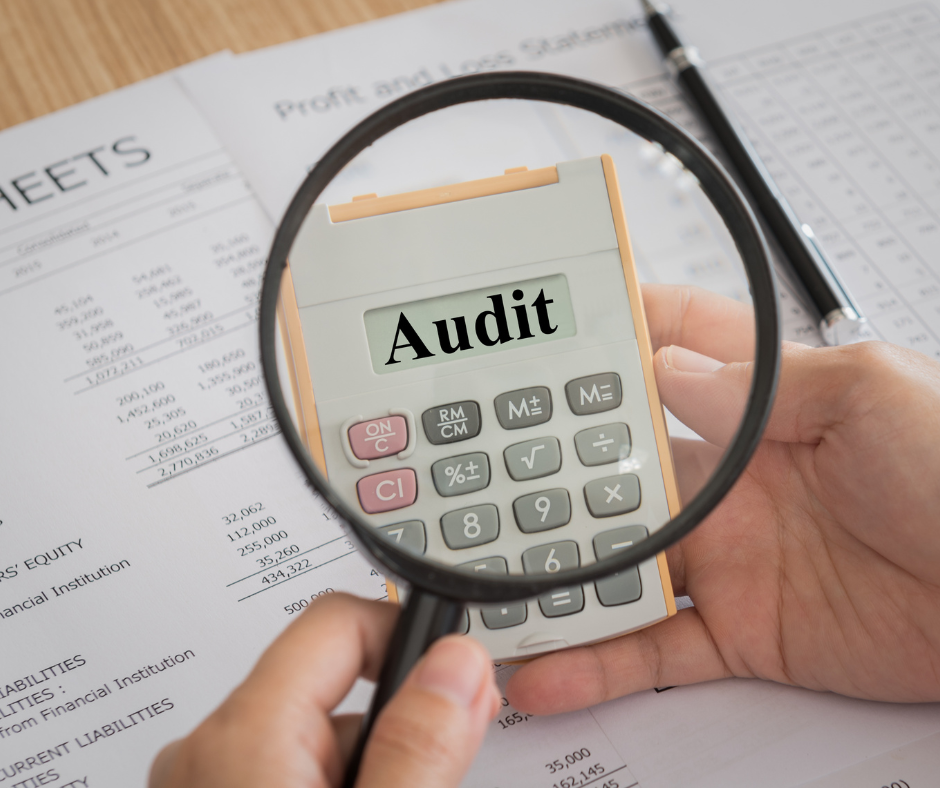
Financial statements are more than just numbers on paper. They tell the story of a company’s performance, decisions, strengths, and challenges over a period of time. Just as a book reveals the journey of its characters, financial statements reveal the journey of a business.
Investors, managers, employees, banks, and even customers can learn a great deal about a company by understanding its financial reports. Learning to read these documents is like learning a new language: one that speaks plainly about where a company has been, where it stands today, and where it might be headed.
The three core financial statements are the Income Statement, the Balance Sheet, and the Cash Flow Statement. Each one provides a different chapter of the company’s story. Together, they help readers understand how the business operates, how profitable it is, and whether it is financially stable.
The income statement shows the company’s revenues, expenses, and profit over a certain period. This statement explains whether the company is making money or losing money. For example, increasing sales may show that the business is growing and attracting more customers. On the other hand, rising expenses may indicate operational problems or poor cost control. A company that consistently earns profits is usually viewed as successful and sustainable. Therefore, the income statement tells the story of the company’s ability to generate profit through its activities.
Healthy and stable profit margins suggest operational efficiency. But the income statement can also mask warning signs. Companies can appear profitable on paper while quietly consuming cash, which is why the income statement must always be read alongside the other two statements.
The balance sheet presents a snapshot of the company's financial position at a single point in time. It lists what the company owns or controls: cash, inventory, property, equipment, and intangible items like patents known as assets, and what it owes: loans, accounts payable, and other obligations known as liabilities. The difference between these two amounts represents the owner’s equity which is what would remain for owners if all debts were paid.
This statement helps readers understand the financial strength of the company. For example, a company with strong assets and low debt may be considered financially healthy and stable to weather downturns and invest in future growth. However, a balance sheet burdened with debt relative to equity raises concerns about long-term solvency and may suggest financial risk. Analysts often compute the debt-to-equity ratio to assess this risk. The balance sheet tells the story of how the company manages its resources and obligations.
Perhaps the most overlooked of the three, the cash flow statement is often the most telling. The cash flow statement focuses on the actual movement of cash into and out of the business. Even profitable companies can face difficulties if they do not have enough cash to pay employees, suppliers, or loans. This statement is important because it shows how the company generates and uses cash across its operating, investing, and financing activities.
Operating cash flow shows whether the core business generates real cash, not just accounting profit.
Investing activities reflect decisions about capital expenditure and acquisitions, signalling the company's strategic priorities.
Financing activities reveal how the company funds itself: through debt issuance, equity raises or returning capital to shareholders via dividends and buybacks.
A profitable company with negative operating cash flow is a red flag. It may be recognising revenue before collecting it or burning through working capital. Conversely, a company generating a strong cash flow (operating cash flow minus capital expenditures) has the flexibility to reinvest, acquire competitors, or reward shareholders.
Positive cash flow usually indicates good financial management, while negative cash flow may signal potential problems. In this way, the cash flow statement tells the story of the company’s liquidity and day-to-day financial health.
No single financial statement tells the full story. A company might report record profits while its cash position deteriorates. Another might show modest earnings but a pristine balance sheet and robust cash generation. The real insight comes from reading all three together and comparing company’s performance over time, by analysing reports from different years and against the industry.
Readers can identify trends such as growth in revenue, reduction in debt, or improvement in profitability. These trends are useful for better decision-making. Investors use them to decide whether to invest in a company; banks review them before approving loans; managers rely on them to plan budgets and improve operations and employees may also look at the company’s financial performance to understand job security and future opportunities. These trends can also help predict the future direction of the company.
Ultimately, financial statements are not just regulatory filings or accounting exercises, but powerful tools. They are the language through which a company communicates its health, strategy, and trajectory to the world. Learning to read them is one of the most powerful skills any business professional, investor, or entrepreneur can develop.
Get in Touch:
Charmaine Attard
cattard@quazar.mt / +356 2388 4600